

To cook a good dish, in addition to fresh ingredients, basic seasonings make food more delicious and more distinctive. As there are many cuisines in China, there are many kinds of seasonings used in Chinese kitchens. However, you can cook most of the dishes on this website with a few common seasonings. So, what we are talking about today is the basic seasoning found in all Chinese home kitchens.
Table of contents
Cooking Oils
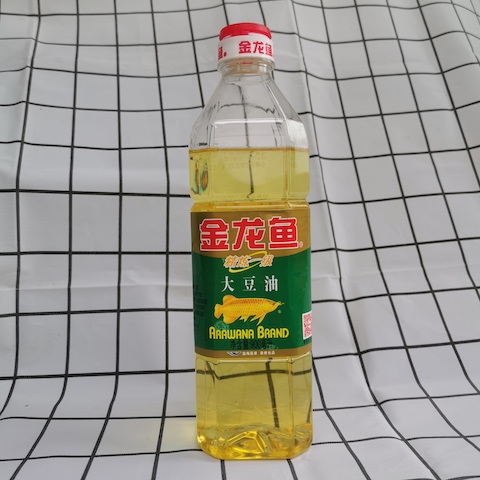
There are many varieties of oil in China. There are oils added after cooking food for flavoring and oils used when cooking. I will introduce the oils used for deep-frying and stir-frying here. There are many oils used for frying, such as soybean oil, tea seed oil, blend oil, peanut oil, and lard. Any of these can be used as the basis for cooking.
Soybean oil
Soybean oil is an oil extracted from soybeans.
Rapeseed oil
Rapeseed oil is an oil refined from rapeseeds. Sichuan chefs use a roasted rapeseed oil called Caiziyou. This is made using traditional methods, from rapeseed that is naturally low in erucic acid. If you have used Canola oil, then you have used a modified, western rapeseed oil. The rapeseed grown in the West is high in erucic acid, which is toxic, and the oil has to be modified to be safe for consumption. Real Caiziyou has a wonderful aroma, and adds authentic flavor to Sichuan recipes.

Blended oil
Blended oil is an oil prepared by proportioning two or more fats.
Peanut oil
Peanut oil is an oil refined from peanuts. Very fragrant and easy to digest, peanut oil also has a very high smoke point and rivals lard as a good choice for deep-frying.
These are vegetable oils, so if you are a vegetarian, these are your choices. All of these oils can be used for stir-frying, deep-frying, and braising. In short, you can use these oils for any Chinese dishes that require pouring oil in the wok as the first step.
Lard
Next, I want to introduce the only animal oil I mentioned-lard. My sister likes this oil very much. She always makes lard by herself. Lard is made from the kidney and loin fat (“leaf lard”) or back fat (“fatback”) of pigs. Lard is high in calories and high in vitamin A and vitamin D, and contains vitamin E, zinc and selenium. If my sister does not eat lard for a long time, she will feel dizzy and fatigued. In a certain sense, lard provides some body functions for my sister.
Soy Sauce
Soy sauce is an indispensable seasoning in Chinese kitchens. We usually divide it into two categories. You only need to know these two categories and you can use soy sauce effectively in your cooking. For more detail, see: Premium Soy Sauce and How Soy Sauce is Made.
Light soy sauce:
Light soy sauce is used in general cooking. The taste is salty, which is similar to the role of salt, but the difference is that soy sauce can enhance the freshness of food. Light soy sauce contains none of the active cultures and 40 percent less sodium than dark soy sauce.

Dark soy sauce:
Dark soy sauce is fermented longer than light soy sauce, and has a caramel color with a slightly sweet taste, because it is mixed with molasses. This gives it a deeper, more viscous texture than light soy sauce. Use dark soy sauce more to color food. For example, if you want to cook braised dishes, then you want dark soy sauce. Dishes made with dark soy sauce take on a caramel hue, and it is ideal for glazing meats and vegetables.

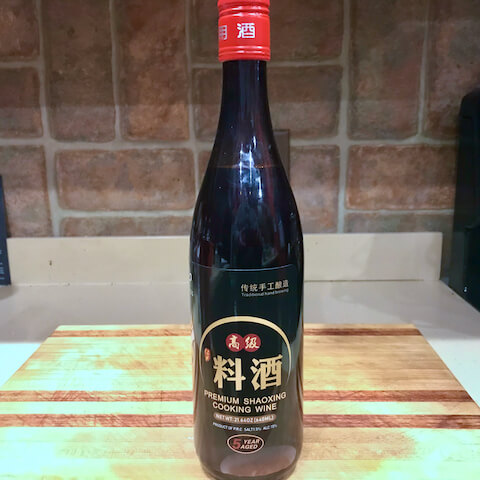
Cooking wine
Shaoxing wine is a commonly used rice wine in Chinese cooking. Dry sherry can be substituted for rice wine, but the flavor is not the same. The acids in wine help to tenderize meats, and neutralize any unpleasant odors, such as from blood in the meat. Shaoxing wine is used in marinades and when braising or red-braising.


Vinegar
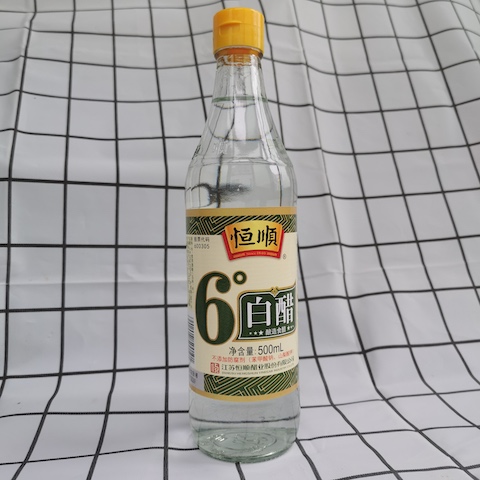
Vinegar is a sour seasoning, and vinegar is often used in cold dressing in Chinese cooking. Common types are: rice vinegar, white vinegar, and balsamic vinegar There are some famous vinegars in China, which have become a local specialty, such as Baoning Vinegar, old Shanxi vinegar and Zhenjiang fragrant vinegar.
I don’t particularly care for vinegars, because they are all sour, but they are essential to certain Chinese cuisines. When you try different vinegars, you might like one of them.

Salt
Salt is used as a seasoning to make food taste salty. I believe that all human beings are the same on this point. In China, there are two types of edible salt: iodized salt and non-iodized salt. This is about the classification of trace elements. If you want to know which is the best, here is a suggestion. According to the region, people living in coastal areas may have high or low iodine in their bodies, so they select iodized or non-iodized according to their physical condition.
Most table salt sold in the United States is iodized, as this helps prevent goiter, which is a swelling of the thyroid from iodine deficiency. (According to Wikipedia, iodine deficiency affects 2 billion people worldwide, and leads to intellectual and developmental deficiencies.) So for people who live far from the ocean, iodized salt is the best choice.
In short, salt is only used for seasoning and sparingly. Food that is too salty is not enjoyable. Too much salt in the diet is also considered unhealthy. If you use it for stir-frying, the amount of salt used depends on the amount of food.

Related articles
Do you enjoy My Chinese Home Kitchen?
We enjoy sharing these authentic home recipes with you. To learn more about My Chinese Home Kitchen, please visit our About page.
Please leave a comment, or SUBSCRIBE to our newsletter.
For more of our original videos, visit My Chinese Home Kitchen on YouTube and Rumble.


